

Barcelona, beautiful people, and what came home with me
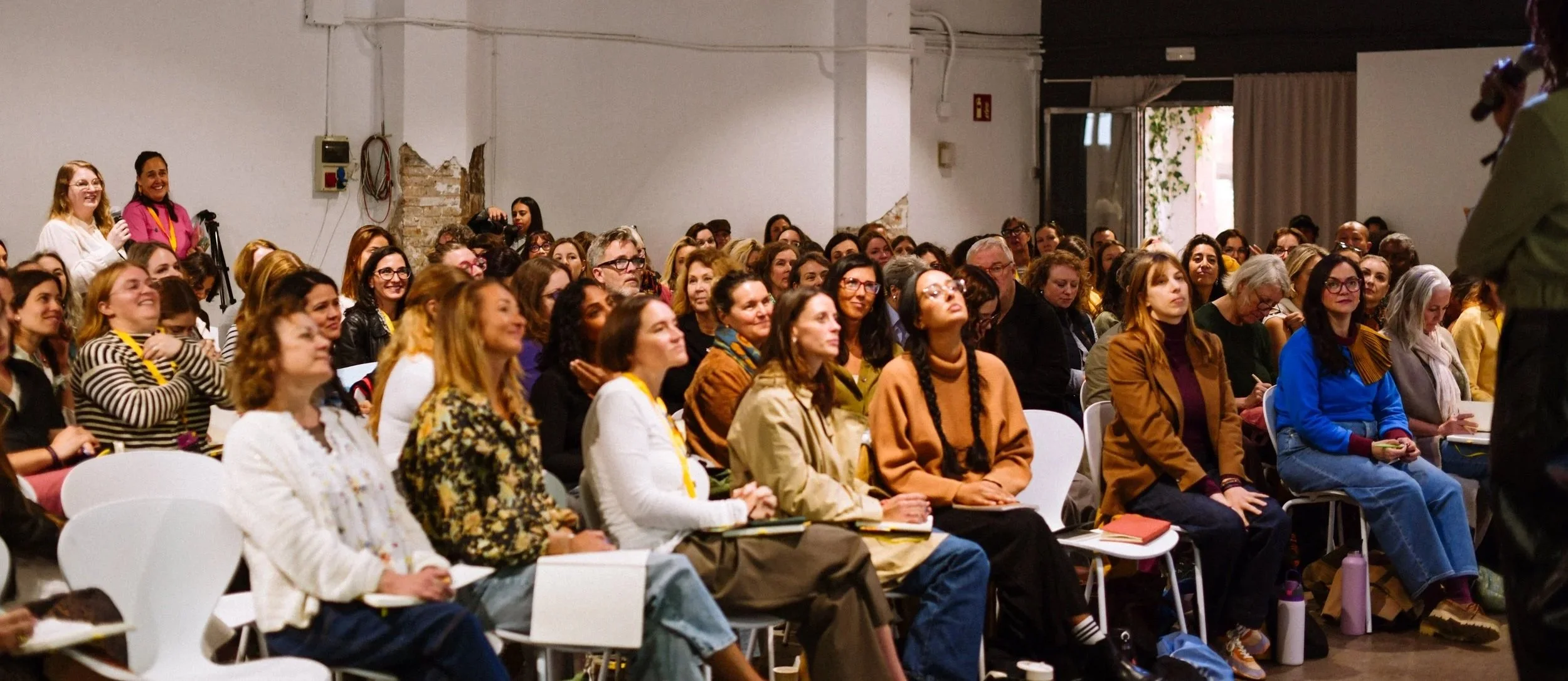
Courage spreads in a room. I’ve seen it happen in classrooms, in workshops, online, and around tables with journals open. This November, I watched it happen again at the Barcelona Journaling Festival, in rooms full of people with pens in their hands. One from Ireland, one from Australia, one from Africa: three women who had journaled together online all year finally met in Spain, side by side.
There’s also news at the end of this letter that I’ve been holding in my heart for months. (Scroll down if you can’t wait. I won’t tell).
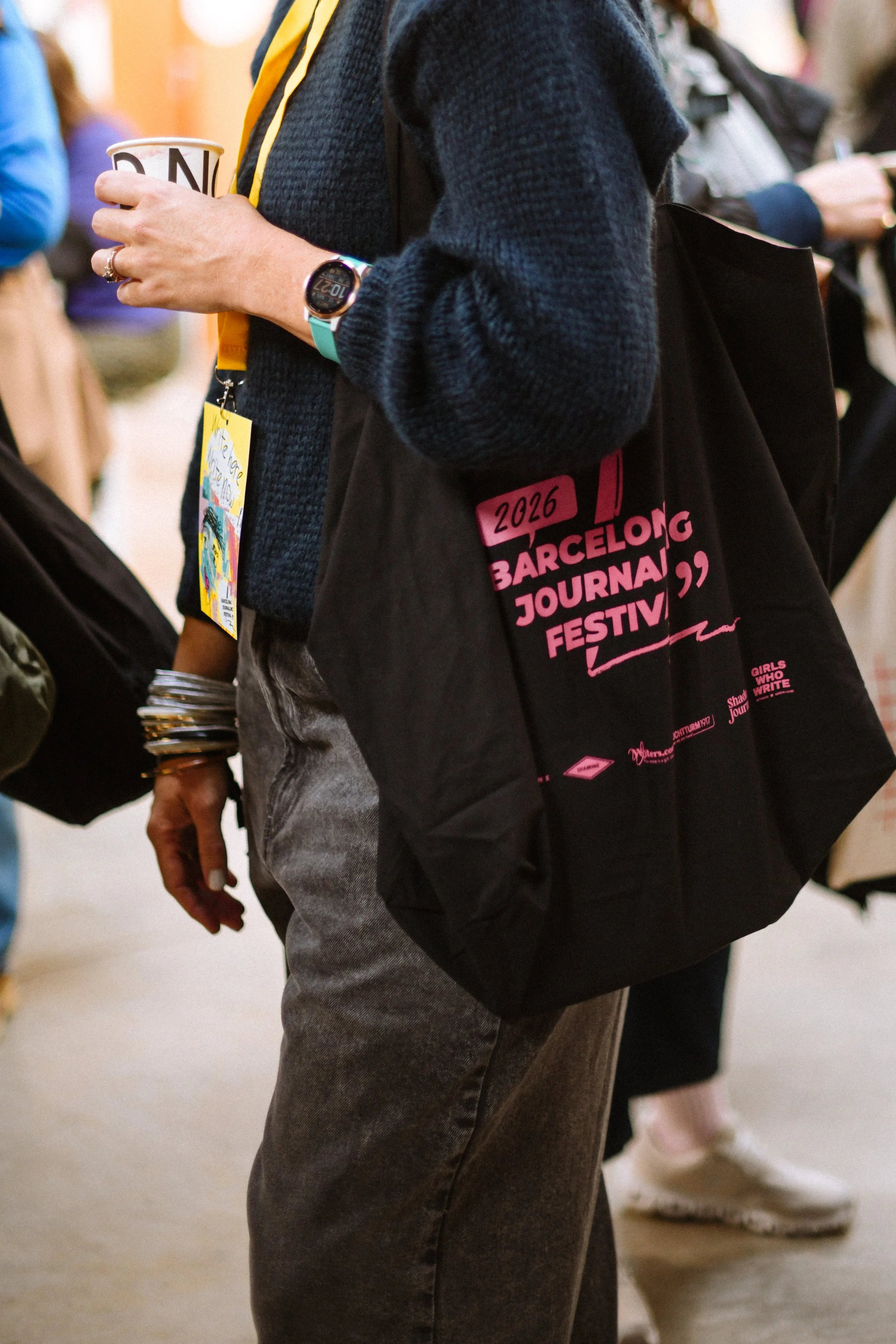
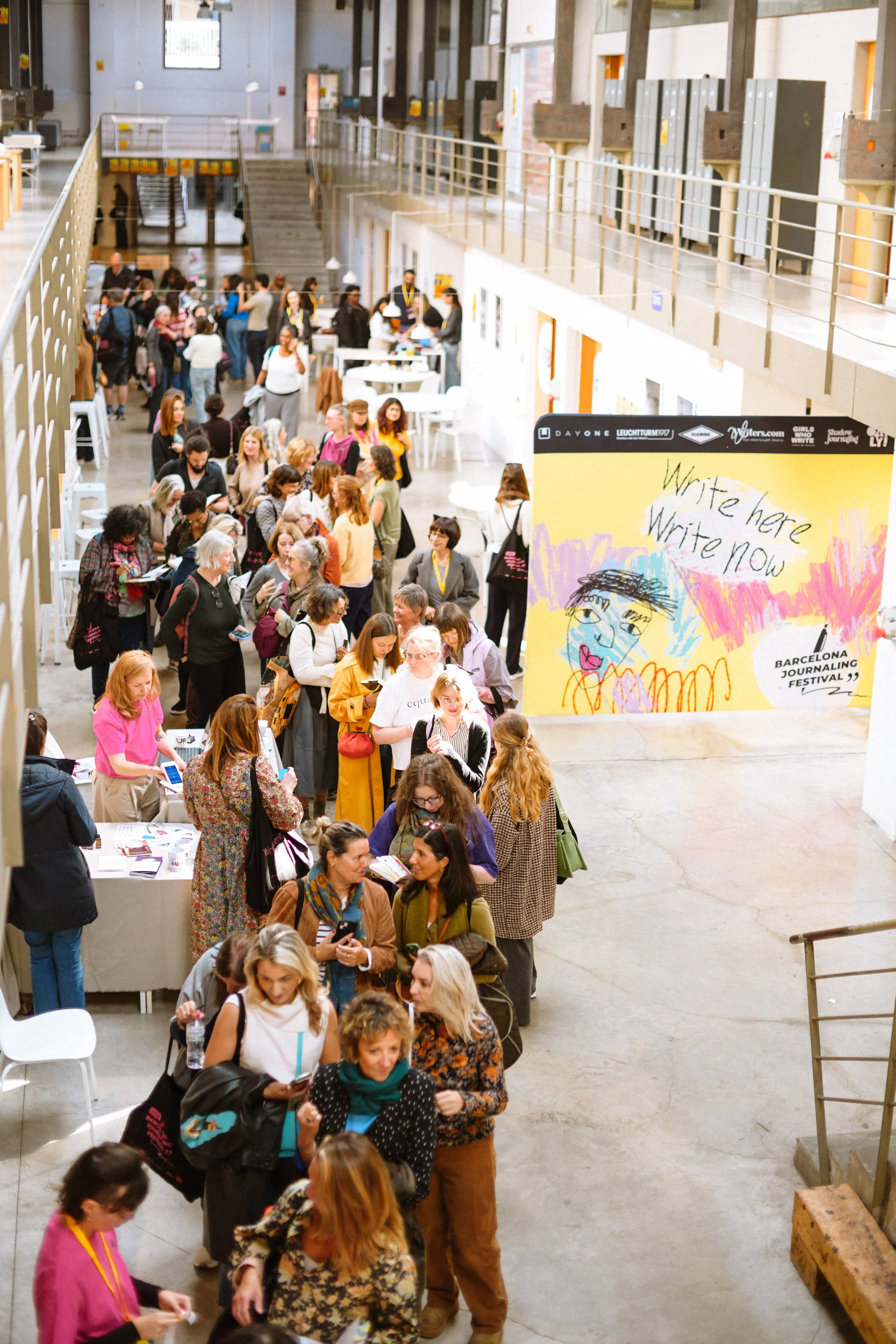
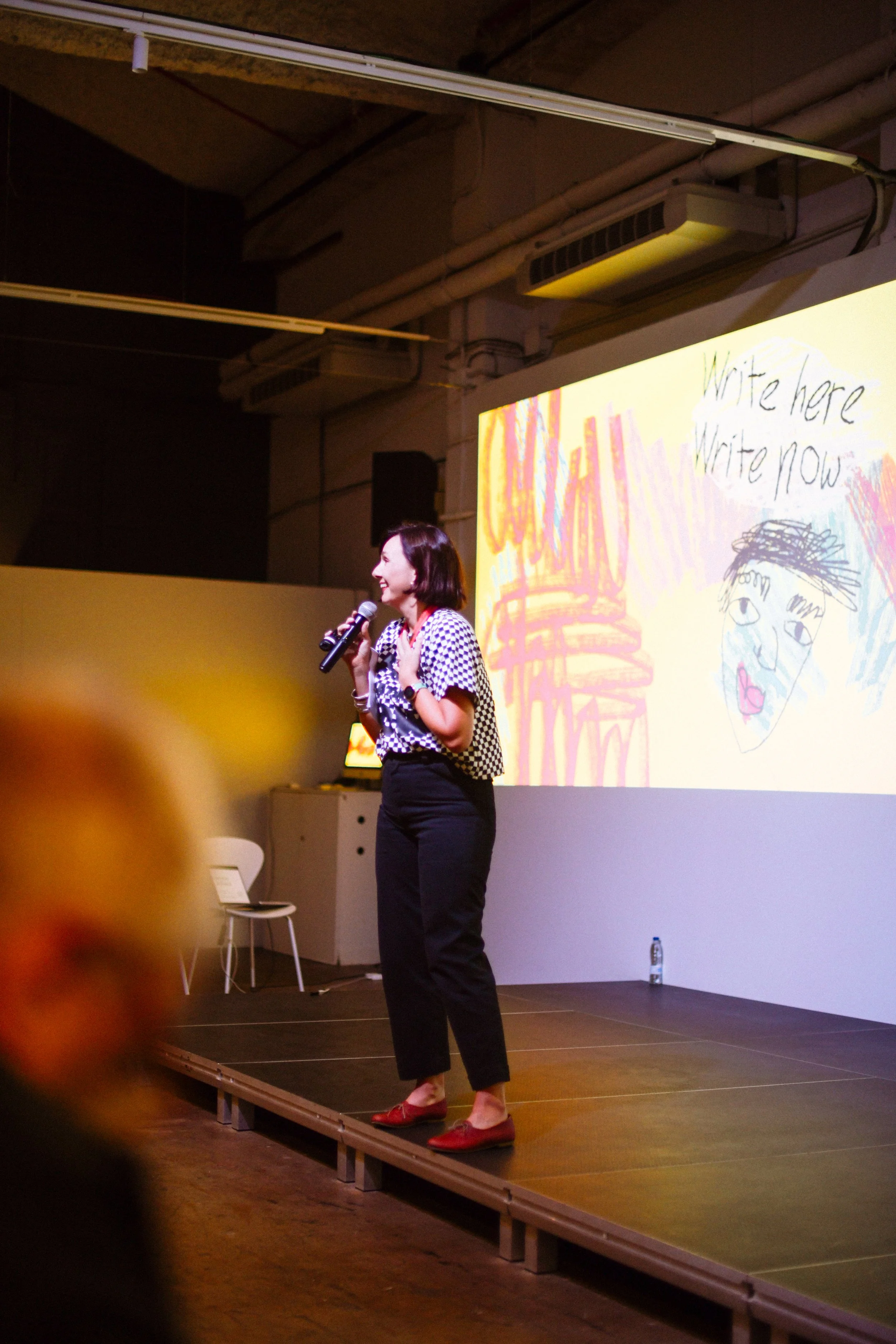
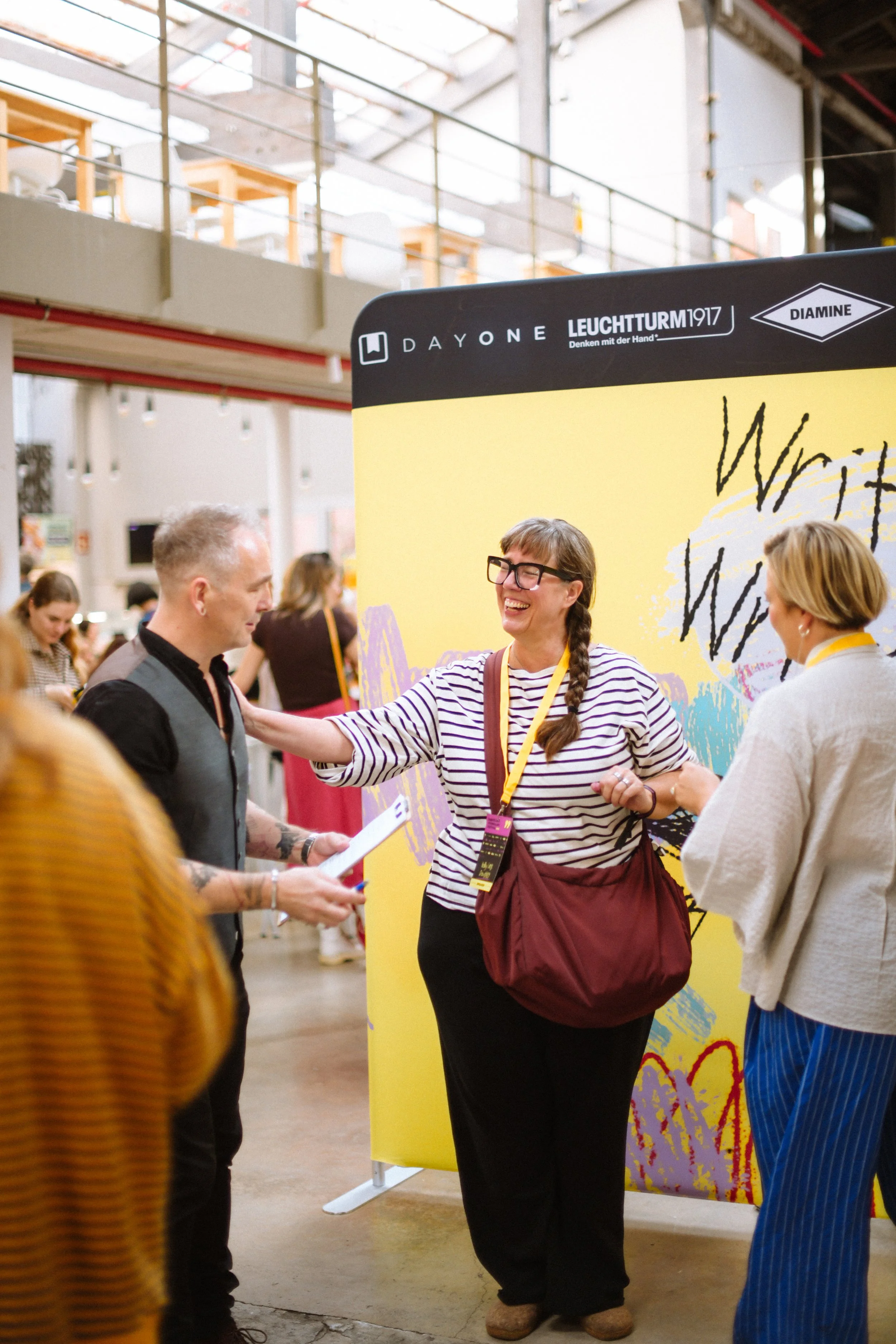
Barcelona Journaling Festival 2026
I went back to Barcelona wondering whether it could possibly be as good the second time.
Last year’s Journaling Festival had been defining for me. Here was a place where I didn’t have to explain what journaling was, why I did it, or how I could possibly build a career around a person, a pen and a piece of paper. People just got it. They were doing it too.
Last November I came home with more courage to take my own work seriously, and more handles for what building a journaling community in Africa might look like. Hearing Matt from London Writers’ Salon talk about creating community was a huge catalyst for African Journal Club: more spaces to gather, more opportunities to write together, more ways to make this work accessible without anyone having to travel across a country or a continent.
It also meant putting myself out there. Showing up more (consistently). Being more visible, even when that felt uncomfortable. Because people who might benefit from working with me cannot find me if I keep hiding.
“Writing changes lives and lives are changed by writing” (Jackee Holder).
Those who journal open themselves up to imagine, to create, to wonder, to get unstuck and begin writing out old stories and writing brave new ones instead. This work is transformational. I believed that for other people. Barcelona helped me believe it more fully for myself.
You can read more about that in last year’s newsletter. But this year? I wondered whether I had set the bar impossibly high.
Then I arrived... interestingly, with none of my books (sold out, and reprints of the revised edition weren’t ready in time) and none of my gorgeous hand-stitched leather journals (because, honestly, lugging so much to Spain felt like too much). I had to let go and believe that just me, with the messages I had to share, was enough this time.
I found myself summing up the festival like this: You know when you see a young family member every Christmas and think they couldn’t possibly get more delightful, and then another year passes and there they are, growing into an even more beautiful being? That was how this festival felt. I could see the growth: in the community, the connections, the space and the people creating it. Familiar faces. Deeper conversations. People who had attended my workshop last year. People I had wished for more time with, and now here we were again.
And an impossible programme. Truly. Marusha and Oliver, what a compliment to your work that everyone wanted to attend EVERYTHING. I couldn’t, of course. So this is a little of what I experienced, a nod to the people whose work I heard such wonderful things about, and a glimpse of what I hope to bring into our own community.
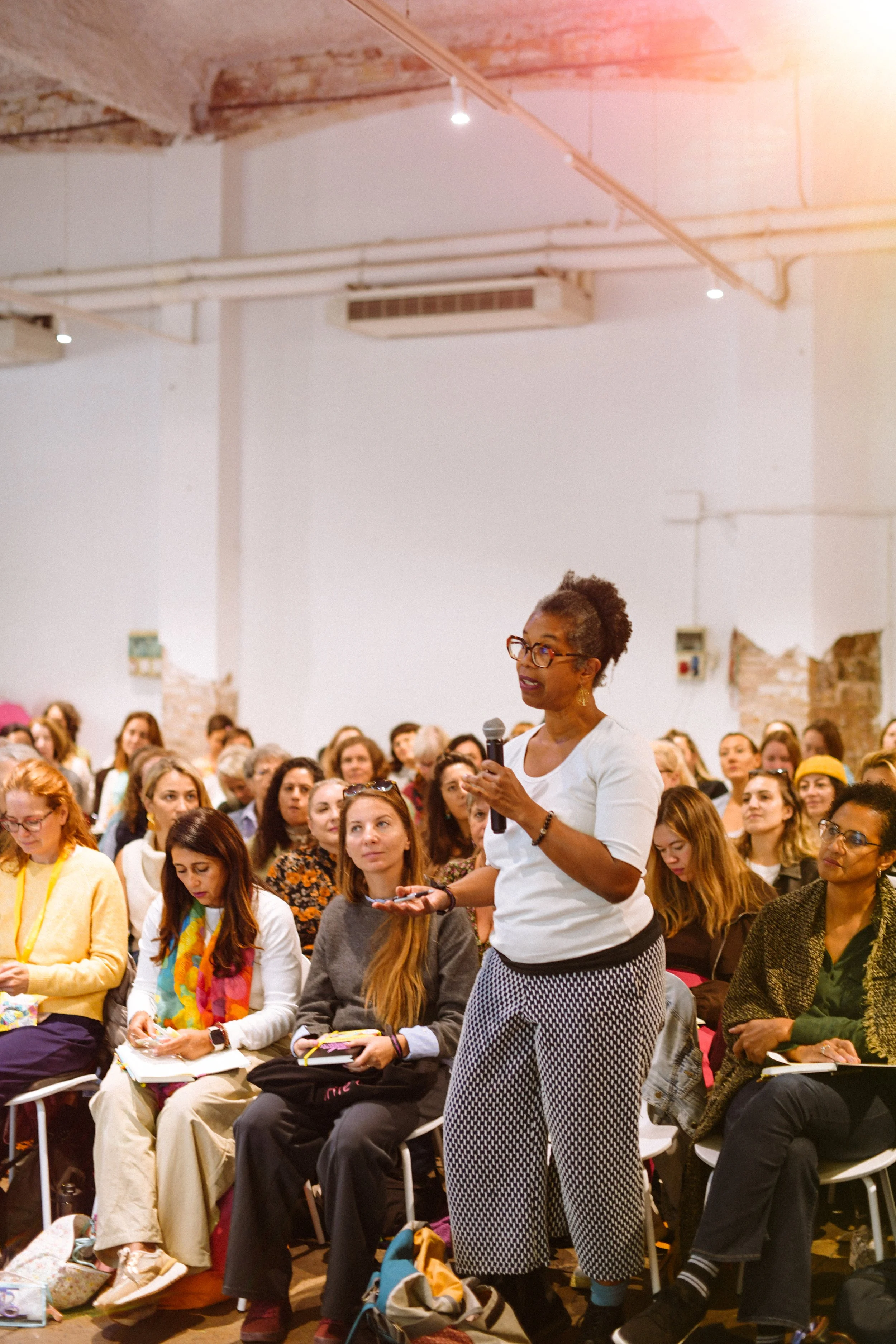
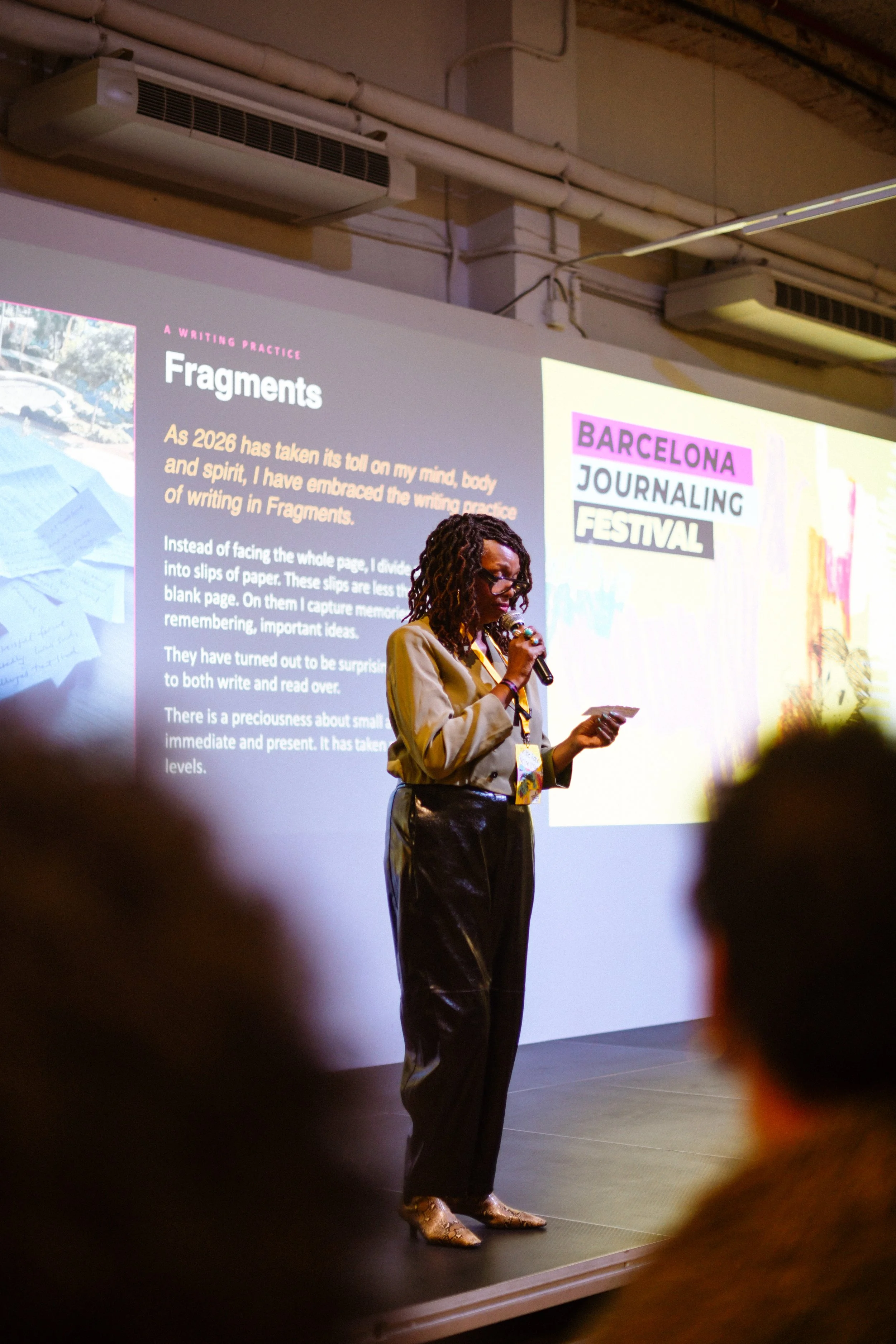
Day one: Being seen & seeing ourselves
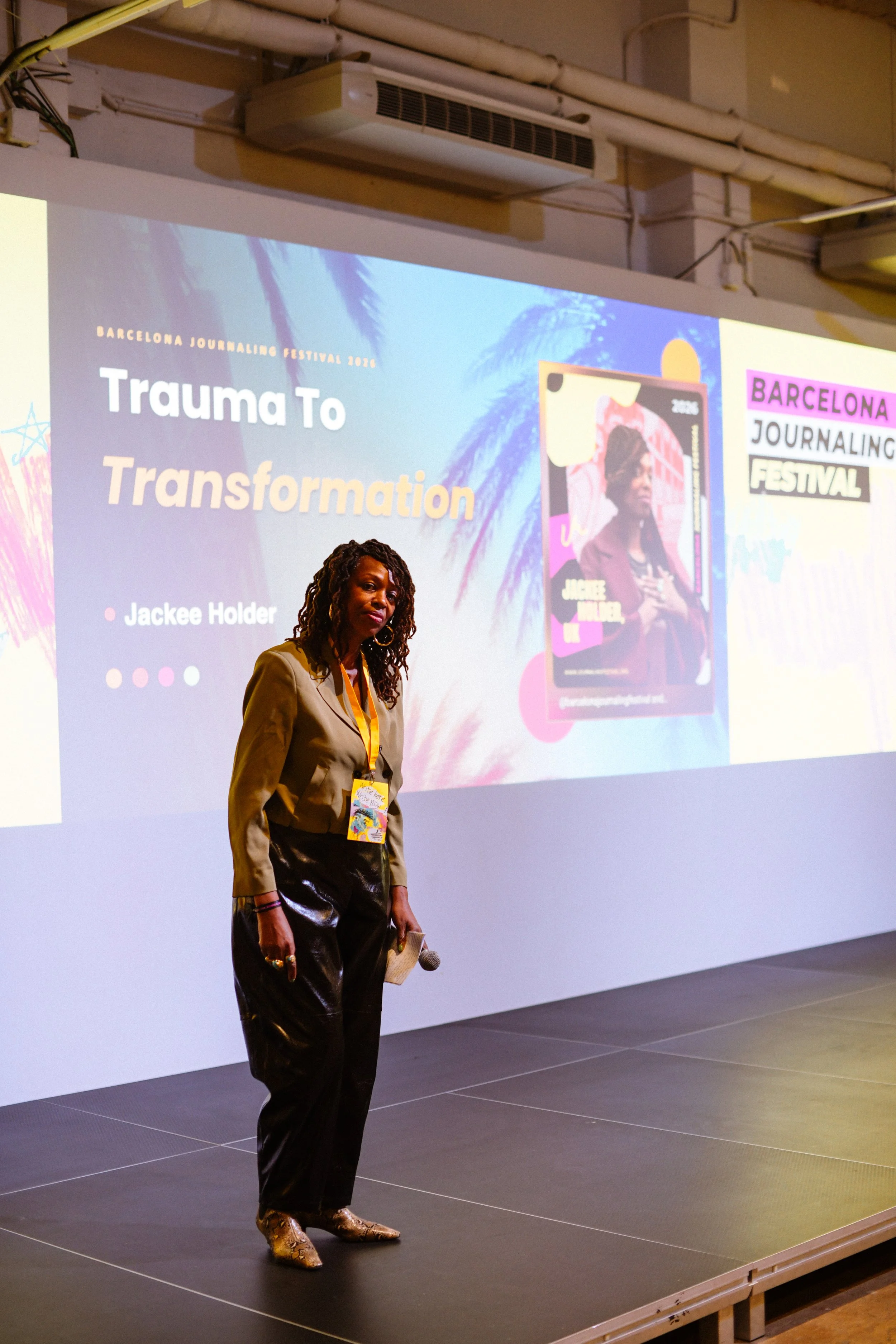
Jackee Holder (The School of Journaling, UK) opened with “Trauma to Transformation: Journaling Was the Prescription My Soul Needed”. I was completely taken with her and her work.
She shared her own stories of tragedy and trauma with such heart. She also spoke about journaling as a skills-based practice. I found that wonderfully liberating. We can learn ways into the page. We can develop practices that help us.
She also gave me a phrase I am borrowing: “chemistry calls”. If you’ve wondered what working with me might look like, or whether a journaling mentorship could be for you, let’s have one. Thanks, Jackee ;)
Poetry kept appearing in her keynote, and throughout the festival, which delighted me. Poetry can give us a way to approach something we struggle to say directly. I see this so often with teenagers especially: a little reluctance when I mention a poem, followed by the most extraordinary writing. We read, choose a line that catches their attention, and use it as a doorway into a poem of their own.
Jackee invited us to list five things we didn’t want to write about, then choose one and write about it with our non-dominant hand. If you’ve worked with me or joined African Journal Club online, you’ll know this practice. It can feel awkward and disruptive, and it’s that very awkwardness allows something unexpectedly honest onto the page.
She also reminded me to return to what I’ve written. I don’t do this enough. I’m bringing back the highlighter: rereading an entry and noticing one or two things asking for my attention. Reflection on the reflections...
I also loved her invitation to write in fragments (think journaling on scraps and chucking those away, or just a paragraph here and there as and when you can). Sometimes fragments are what we can manage. A few lines. A little staccato truth. It made me think of the Grade 9 Hilton College boys and the programme I wrote for them this year, called “A Thousand Ordinary Decisions”: one small decision, one small piece of writing (reframing manhood through journaling), accumulating into something much larger over a thousand days (roughly the time between when I spoke to them and when they will end their school journey).
Jackee’s Tree of Life work was beautiful; I came home with her “Writing With Fabulous Trees” map and “Rewilding the Page: The Urban Forest Map” to explore. And when she spoke about the Zulu greeting “Sawubona” (“I see you”), naturally I was deeply moved. (I was born in KwaZulu-Natal, in a small town called Empangeni.) Seeing ourselves. Seeing each other. Validating our existence and worth. So much of this work begins there.
I’m also looking forward to exploring her School of Journaling and its weekly writing circle (Tuesday mornings, 9am our time)
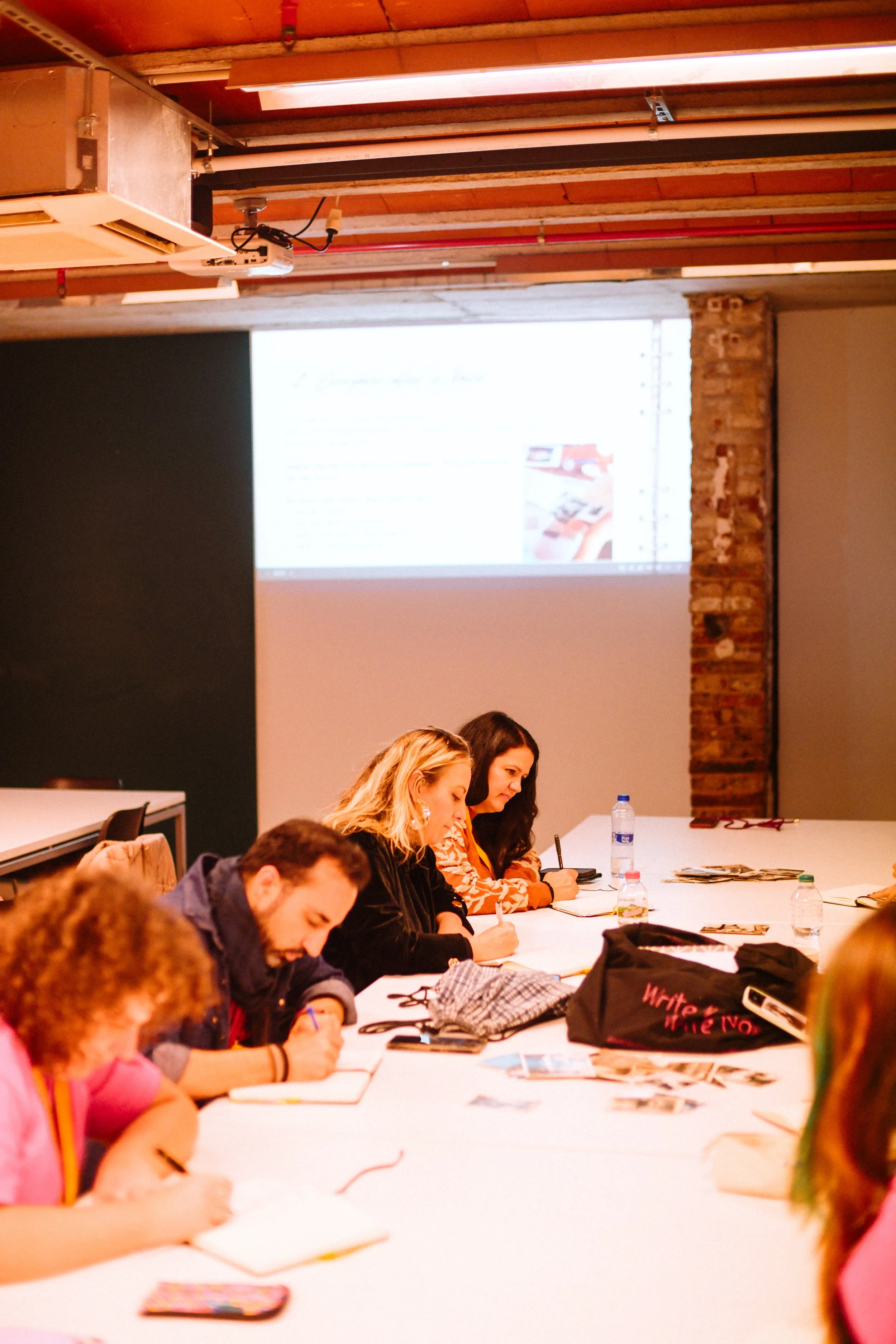
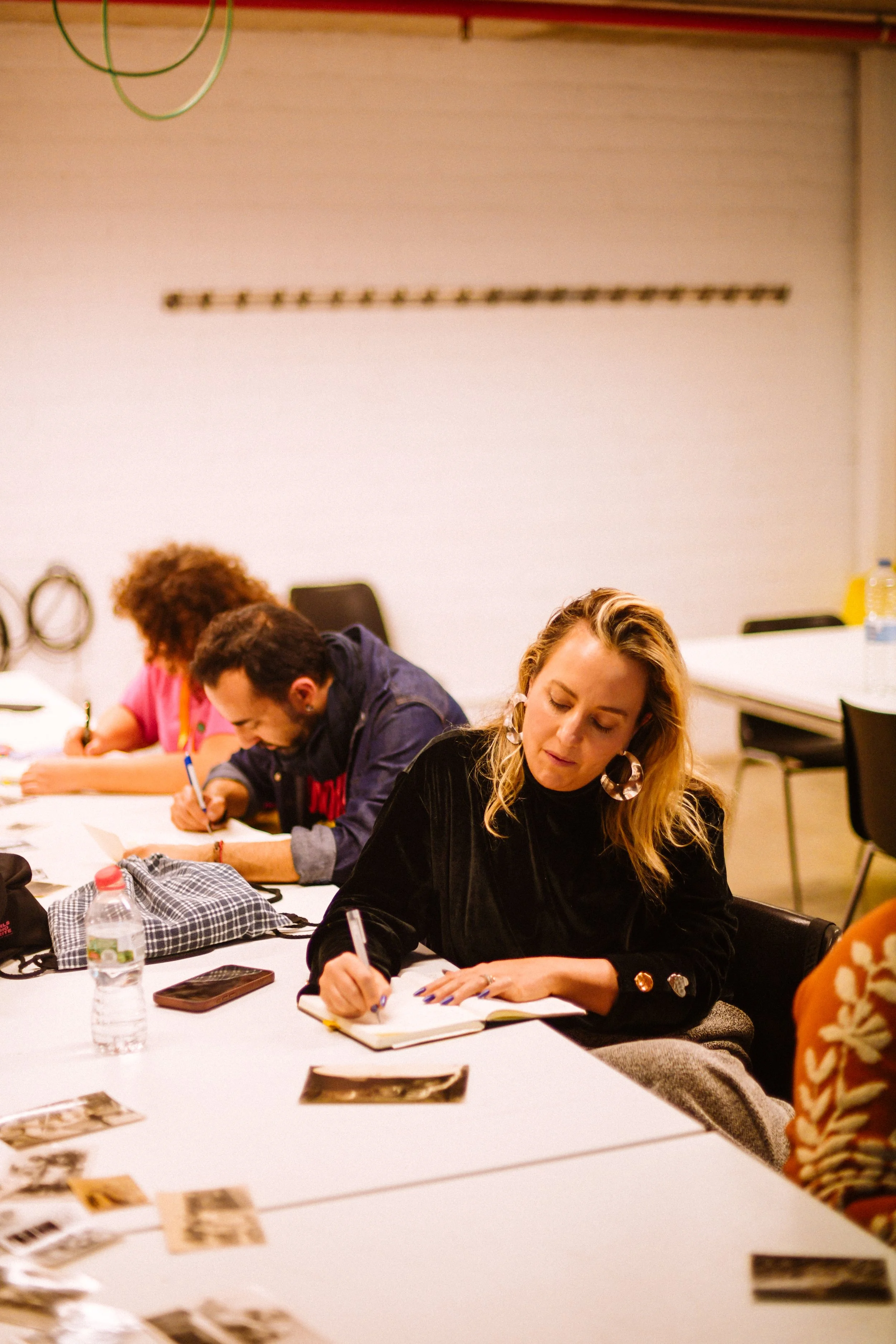
Which emotions feel like home?
The first workshop I attended was Carolyn Herman’s “Are We Comfy Yet?”
Carolyn is a therapist and emotions coach and we share a passion for emotional work and teenagers, so we had plenty to talk about. But the question she left us with was beautifully simple: “Which emotions am I most comfortable with, and which ones do I find difficult to be with?”
If you’ve seen the Feeling Wheel stuck into the back of my journals, you know what a nerd I am about naming emotions. Carolyn took that work further for me. Recognising a feeling is one thing. Recognising the feelings we habitually reach for is another.
I realised how comfortable I can be with anger. I could trace something of that back to watching an influential person in my childhood, someone for whom anger seemed to offer power in situations where they had very little agency. I began to see a stance I had absorbed myself. That was so helpful. I could question my own assumption that anger made me powerful, and consider how much strength there is in being calm, clear and able to choose my response.
Sadness and despair were harder places for me to sit.
Carolyn invited us towards self-compassion, drawing on Kristin Neff’s work, then towards softening and shifting, and ultimately landing in grace, peace and wholeness. This is her “evolving emotionally” framework.
What might change if I met myself with more kindness here? How might I make room for both what hurts and what is possible?
I left with more questions to explore, and more grace for myself. Thank you, Carolyn. I’ve already asked whether she might come to Johannesburg to work with teenagers, and I hope we’ll welcome her to African Journal Club online too.
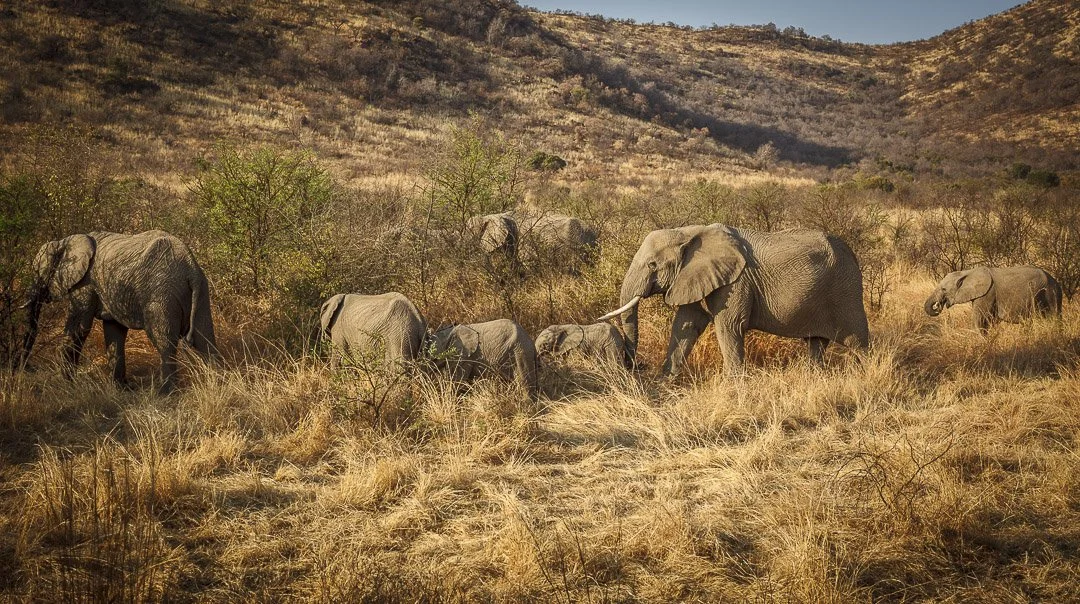
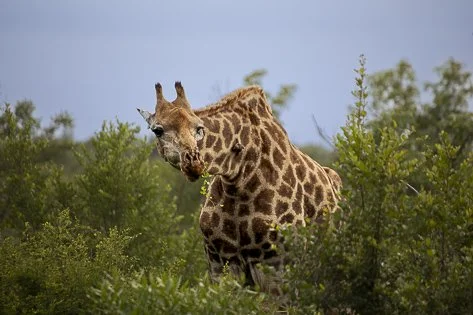
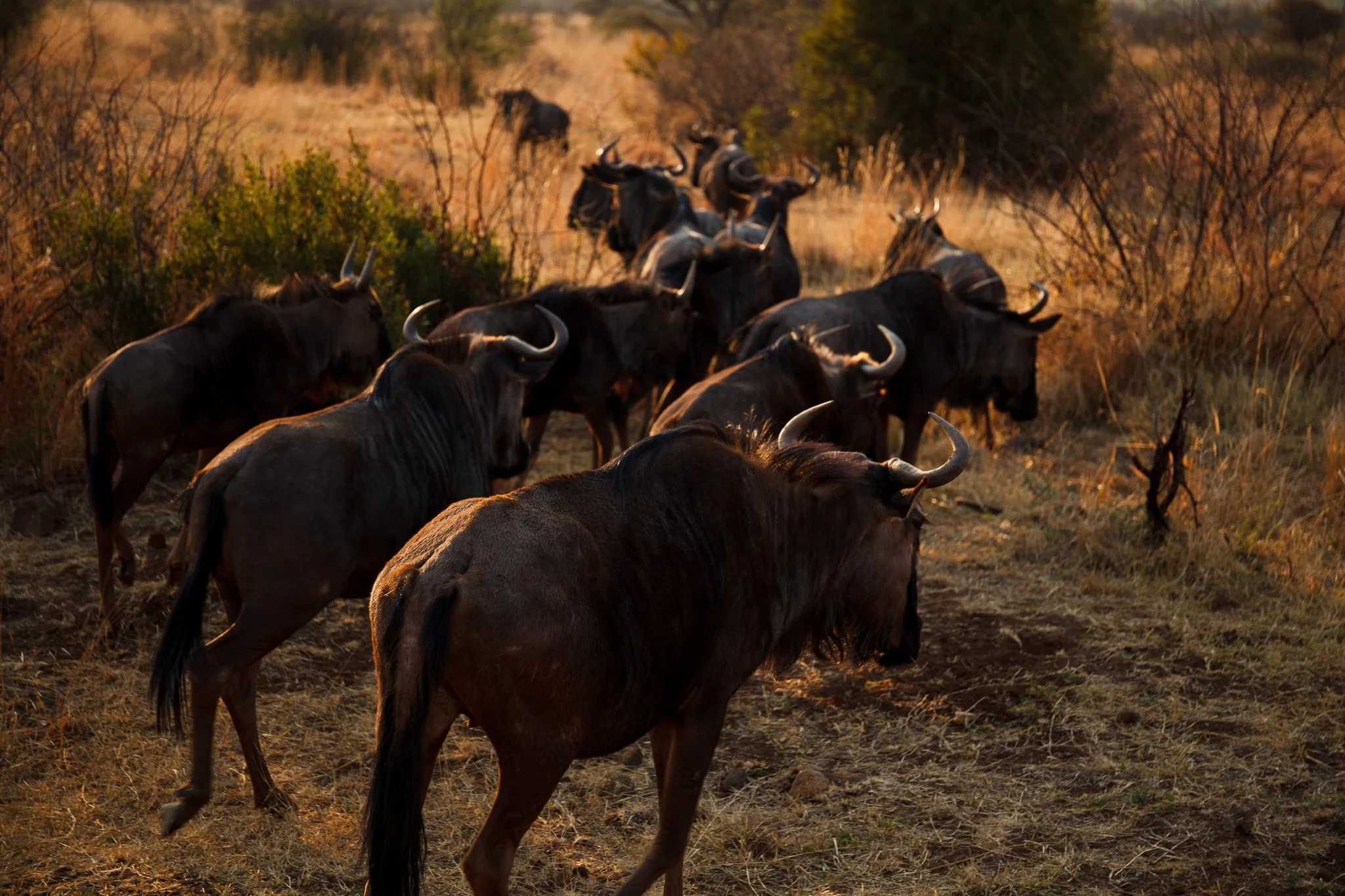
Elephants (lions & wildebeest), poetry & the sessions I wished I could attend
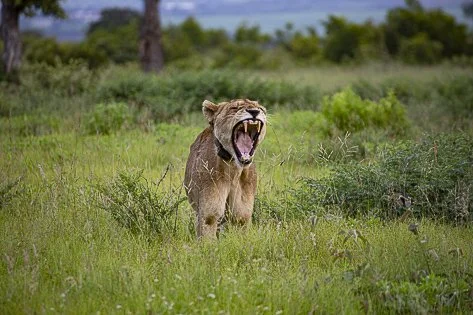
My own workshop, “What the Elephants Know: Wild Stories for a Bigger Inner World”, continued the journey of last year’s “Be the Elephant”. This time there was a lion, too: an encounter in Kruger earlier this year that found its way into my journal. And a wildebeest story from my book (available on Kindle here).
The African bush (my pics above taken in Kruger National Park) and journaling are two great loves of mine. What a delight to make work that brings them together.
Meanwhile, people were emerging from other rooms full of enthusiasm.
Luca Buonaguidi’s “Ambulance Songs” workshop, about the songs that saved your life, was talked about again and again. Isn’t that a beautiful invitation? I’ve asked him to join African Journal Club online in the new year. I’ll keep you posted.
Susanne Opstal’s “The Director’s Cut”, looking at your life through a director’s eyes, was another much-loved session. I’m going to do my best to bring that experience to our online community too.
Kristen Webb Wright’s “Capture Your Life: The Art of Noticing, Recording & Remembering the Life You’re Living” had the diehard analogue fans rushing to download the Day One journaling app. Kristen leads at Day One, is the author of three books on journaling and host of the Day One podcast. She interviewed me on that podcast last year and we struck up a friendship instantly. If you haven’t got a journaling app and want to try this out digitally, it’s the one I recommend. I love the way it’s built, with so many brilliant options (and integrations, including your fitness data) for journaling. Download it and read more from Kristen here…
I was sad to miss Charmaine Pollard’s “A Line of Poetry”. I bought her book and am looking forward to it as my December reading. Julie Shui’s “Allow Yourself to Be Filthy Rich”, exploring money and identity, was another one I wish I could’ve attended, although I did get lovely time with Julie herself. Put your hand up if you’d like to explore that with her at African Journal Club!
Then there were Karin Gråbæk Helledie’s “A Yoga Class for the Mind”, Miranda van der Vegt’s “Journaling as a Safe Space During Grief”, and Anca Croitoru’s collage workshop, “Soul Postcards”. (Anca, the Queen of Collage: you rather delightfully messed up my life last year by introducing me to something so simple and so unexpectedly powerful that I haven’t stopped cutting and sticking since. Thank you. I wish I could have been in your session again.)
All three day-one Spark sessions (20-minute, TED Talk-style talks) were brilliant, with Cassandra Le, Marianne McDade and Birgit Schreiber sharing their work and stories.
A particular thank-you to Marianne for “Radical Honesty as a Path to Healing”. I won’t forget the little icons she used to tell her story, a visual journaling language that helped her find expression after escaping a toxic culture of suppression and secrecy. She also mentioned the influence of Adrienne Rich’s poem “Diving into the Wreck” (poetry again!), and brought us back to Joan Didion’s words: “We tell ourselves stories in order to live.” Love.
Creativity and honesty as a way towards healing. There it was again, taking another form.
And that, folks, was day one.
Day two: stories we can grow into
Could it get any better? It did.
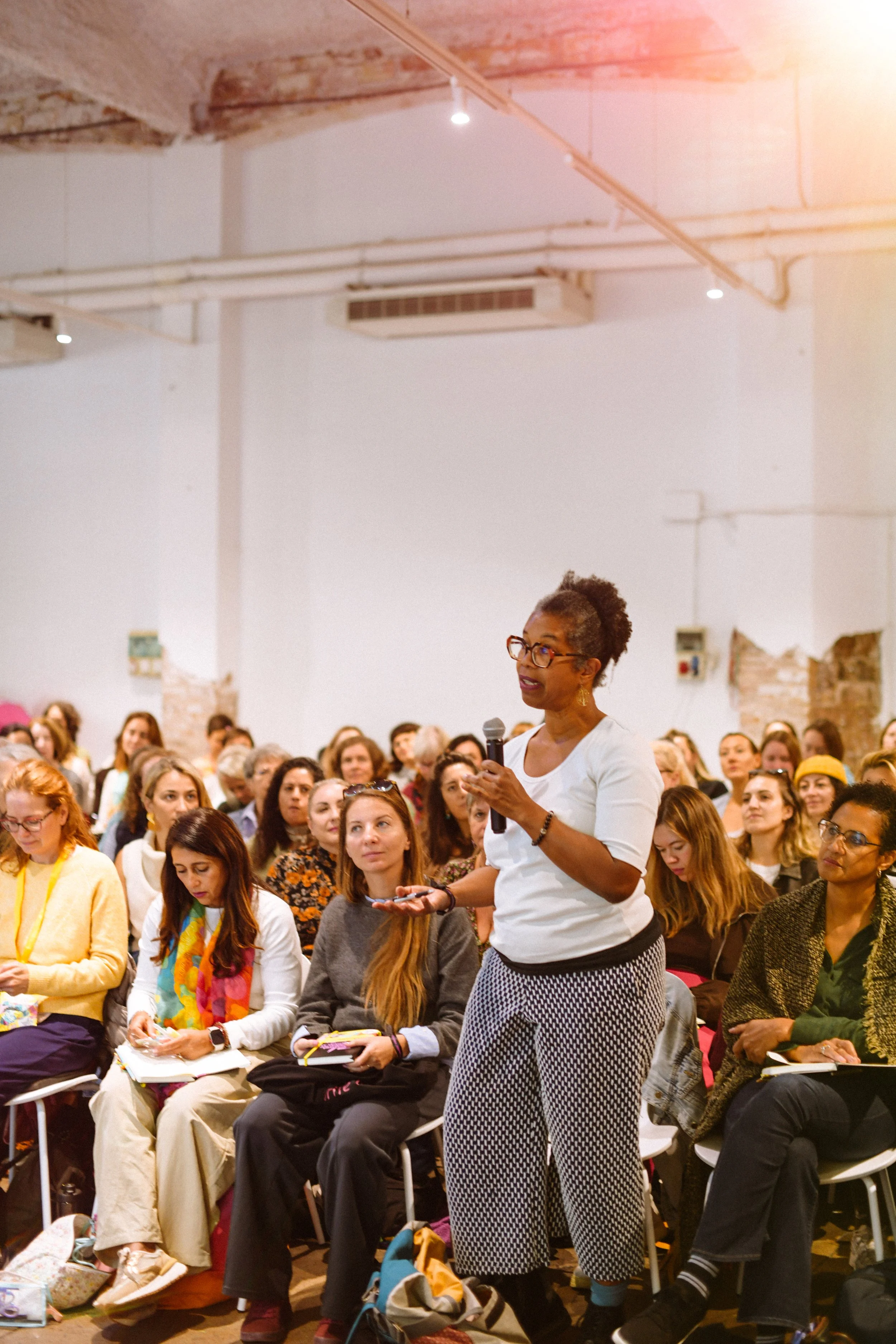
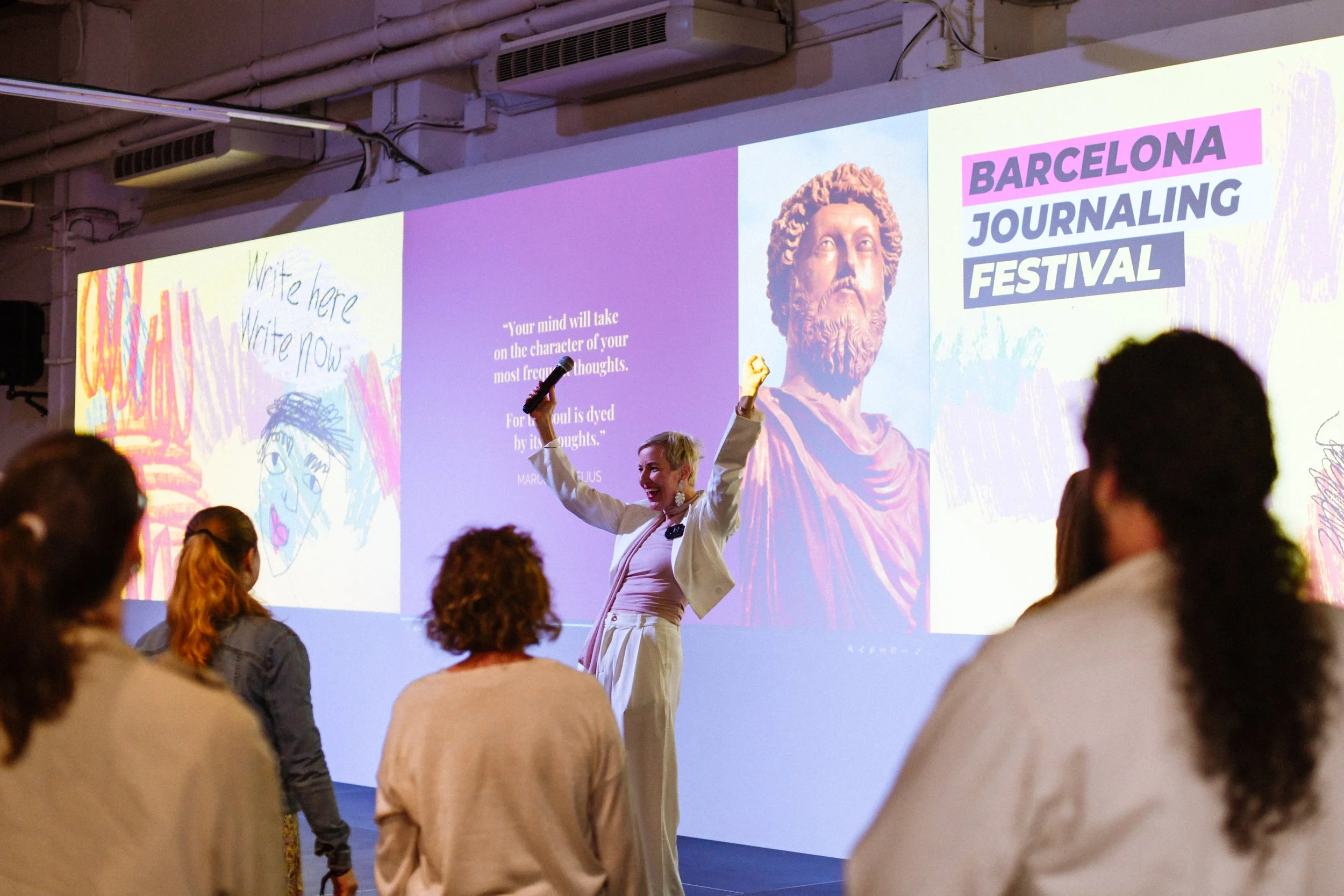
I met Laya Commenda (day two’s headline speaker pictured above) at the speakers’ gathering on the Friday evening before the festival and was taken with her immediately. A beautiful presence, a generous spirit, and then, on stage, such passion and command of her subject.
Her keynote, “Rewrite Your Script: The Journaling Practice That Makes Your Synapses Sparkle”, took us on a neuroscience joyride that landed in an ocean full of hope. No one wanted it to end!
Laya works at the meeting point of positive psychology, writing and neuroscience. She shared seven truths about the brain, and opened with an exercise I loved: write “Congratulations, [insert your name]”, then fill the page with things you’re proud of about where you are in life.
Try it. What would you remember to congratulate yourself for if you stopped long enough to notice?
For me, it was a lovely change of direction: towards what is growing, what is working, what deserves recognition. Cheerleading our own hearts, and firing up our brains in that direction. Powerful!
One idea I hold close, and carried away with even more conviction, was that we are such determined makers of meaning that we can settle into a story before we have questioned whether it is true or helpful. Some stories hurt us. Others help us live with greater courage. “Your story can be poison or it can be medicine.” Thanks, Laya! We must notice the difference.
As someone speaking that evening about “Mess, Meaning and Making”, I could hardly sit still.
There were so many connections to practices I already use: writing in the third person, trying a different perspective, and Vision Journaling, writing towards a future as though you are already living some part of it. But the next question matters too (especially with vision journaling): “What is one small step I can take towards that life?”
We can imagine, write, and then act. And we can pay attention to what we keep rehearsing on the page. What am I repeatedly telling myself? What would I like to practise believing and doing instead?
Laya spoke about intentional, self-directed neuroplasticity. I kept thinking of the phrase I’ve returned to so often this year when speaking about journaling: “intentional authorship”. Becoming more conscious of the stories we live by, and taking responsibility for the next lines.
There was poetry again. And there was hope everywhere. Her presentation felt like a beautiful deluge that we all got to swim in.
Everybody needs some Laya in their life. I would love to bring her to South Africa and to African Journal Club.
A very personal highlight: the two women sitting beside me
Something else pretty profound was happening while I sat there in Spain, listening.
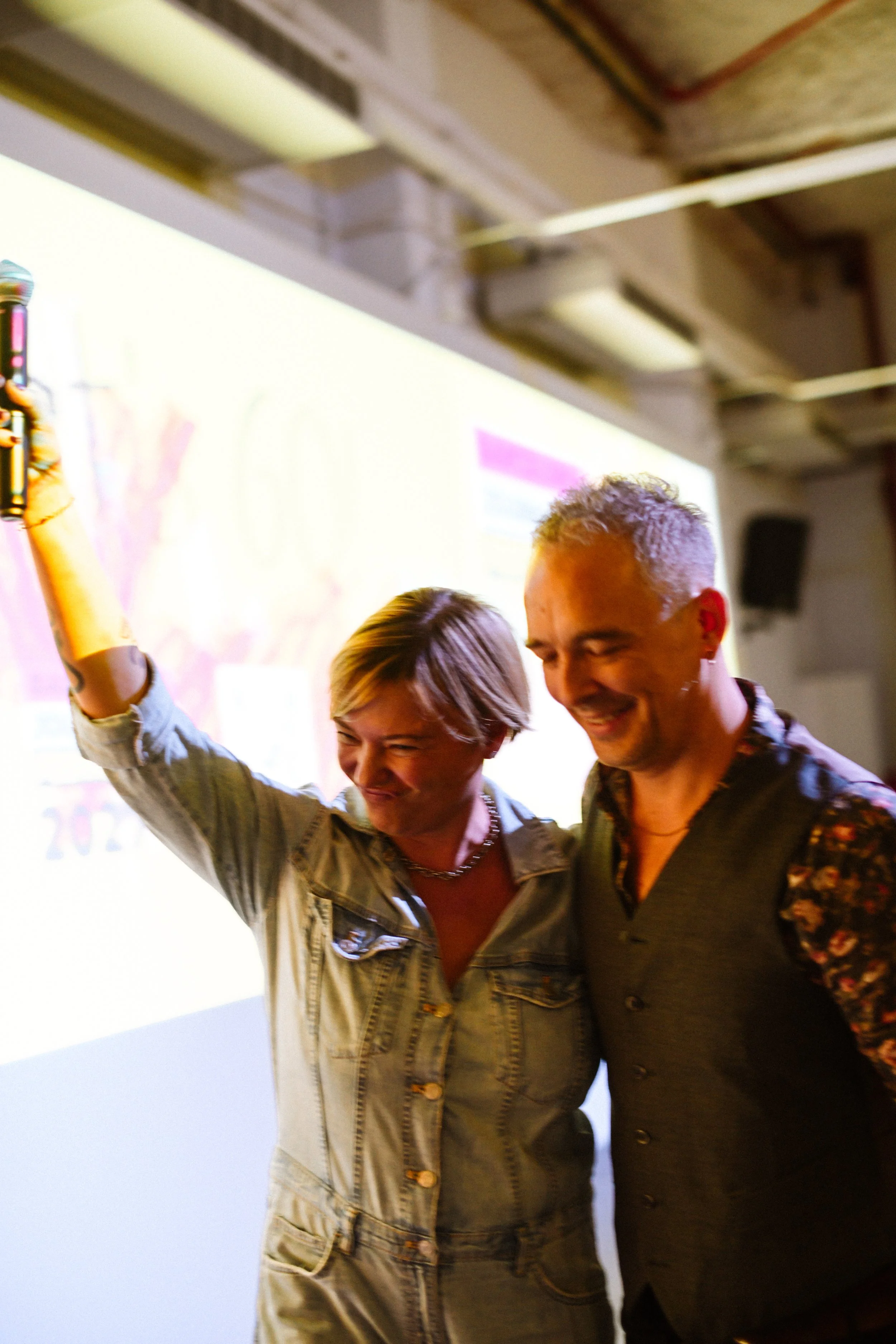
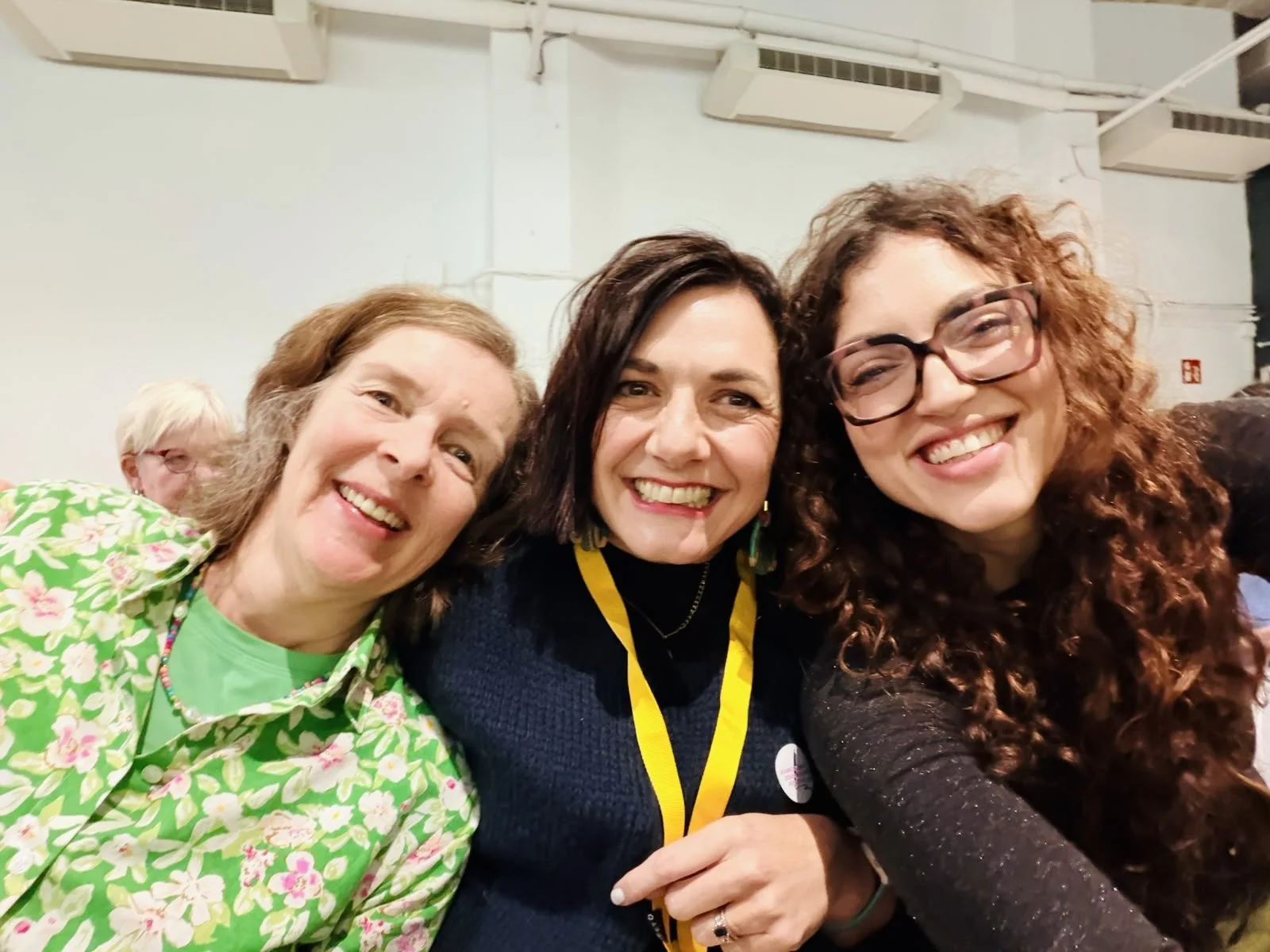
For much of the festival, I had two wonderful women beside me whom I’ve worked with online this year: one from Australia (Sue on the left), the other from Belfast in Northern Ireland (Alessia on the right). Women with whom I’ve built real relationships through the work of journaling. Such gifts to my heart and life. To work with them so deeply all year online, and then to be together in person enjoying the festival, was WILD. At moments, they would turn to me and say, “You taught us this this year...”
Oh, my heart.
Last year I left Barcelona believing I could take this work further. I could work online. I could reach people beyond my own city. I could stop telling myself a lonely little story about being a girl in Africa trying so hard on her own, and recognise the hardworking, deeply passionate woman who had something to offer.
This year, two of the relationships that grew from acting on that belief were sitting beside me. I am still taking that in.
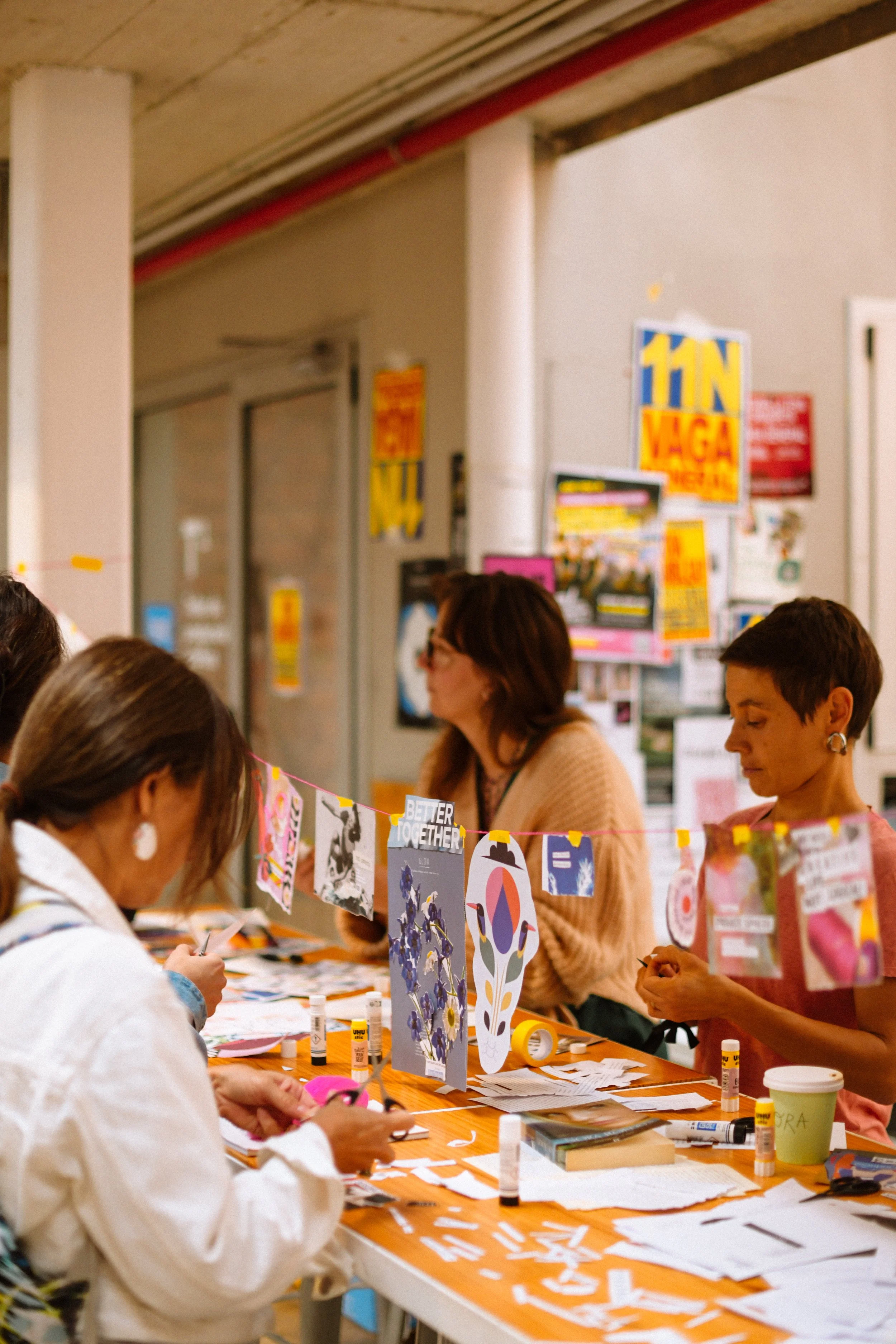
When you have no words left, get the scissors, glue and magazines
Holly Len Downing attended my workshop last year, so it was a delight to sit in hers this time: “Keeping a Creative Notebook”.
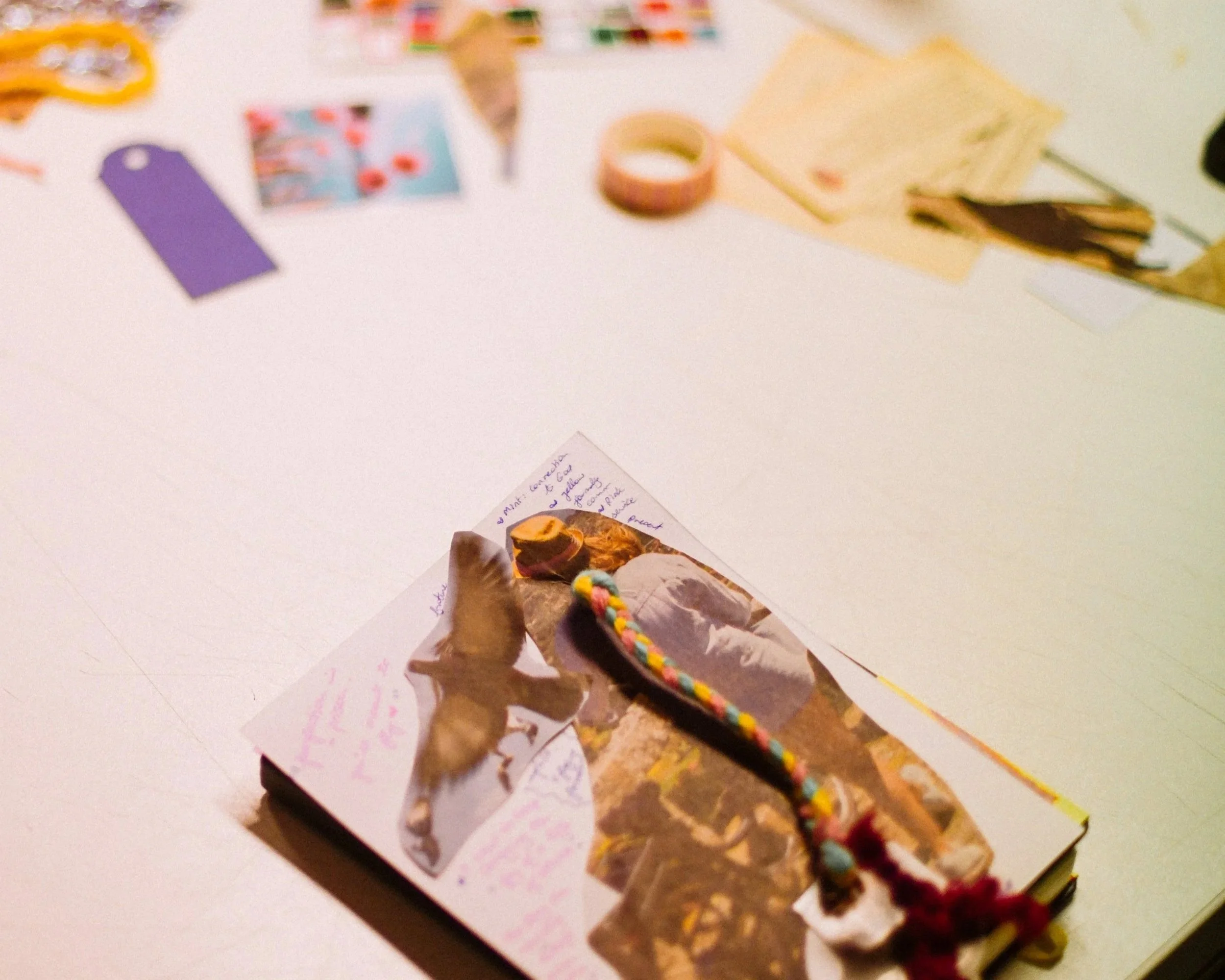
Holly took my collage dreams to new levels. She is a creative ninja, and I left full of ideas I can’t wait to share with you. One thought she shared stayed with us: why call it junk journaling when the things we collect can carry so much meaning? A scrap, a picture, a ticket, a small piece of a day. Stories worth keeping.
I find this work especially helpful when I think I’ve run out of words. Sometimes cutting, arranging and sticking gives me a way to begin, and then the words come.
Holly also spoke about her creative life in Spain and the retreats she hosts. An art retreat in Spain with a few girlfriends? Um, yes, please.
A photograph can open a window (in your heart)
The next workshop choice was equally impossible: Grace Brennan on traditional publishing; Milo on the wisdom of the body; Oliver Mann on Shadow Journaling; Frederick Meyer on creating caring, authentic groups; and Marie Glad on sensory journaling.
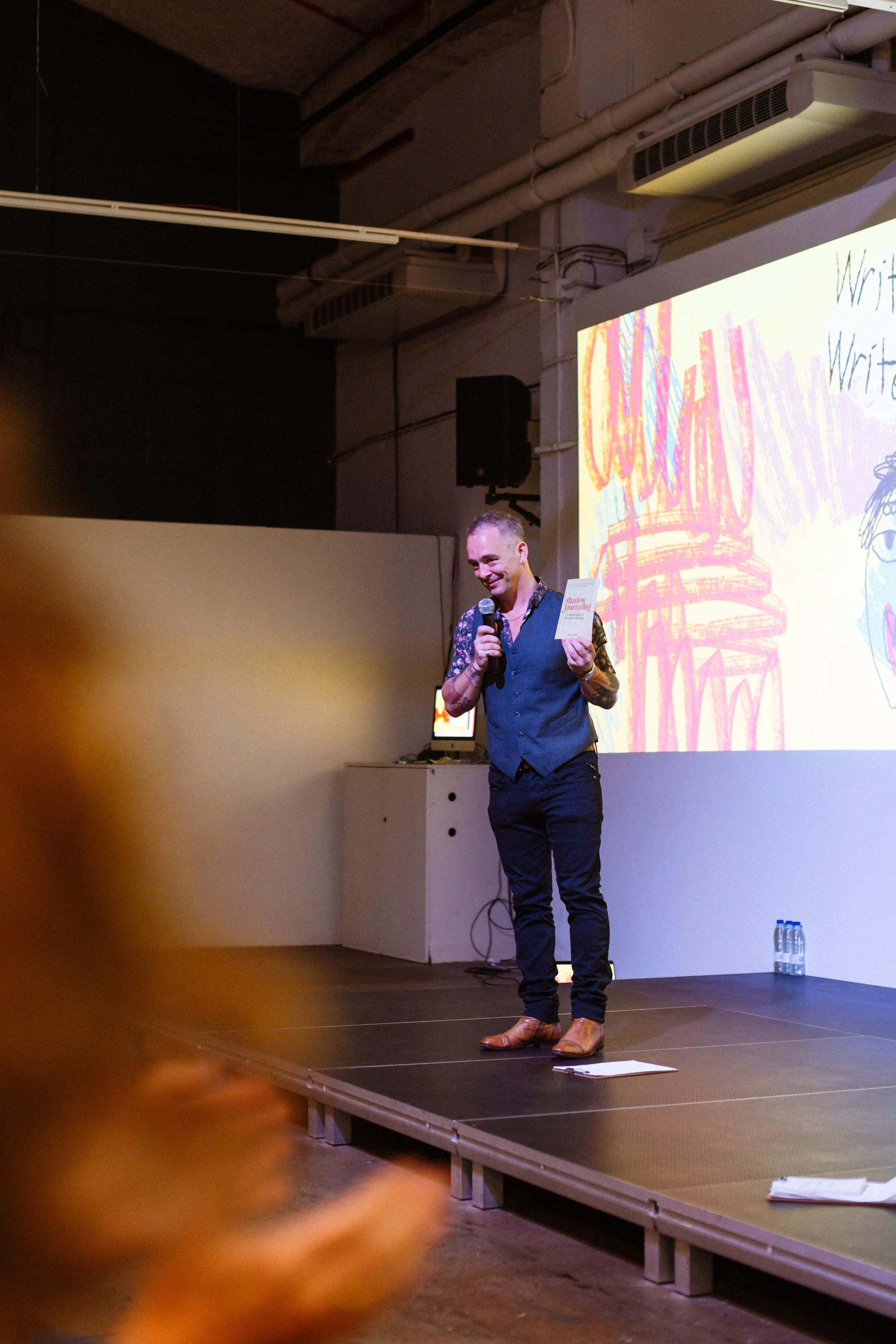
Oliver, two years running and I still haven’t made it into your workshop. I intend to change that when you’re in South Africa. And please come to African Journal Club too? At least I have your book ;)
I chose Yanina Shevchenko’s “Storytelling Through Found Photographs: One Photo, Many Worlds”, and I’m so glad I did.
As a photographer, I could hardly believe I hadn’t explored this doorway more deeply. I’ve already brought elements into two sessions with teenagers since coming home, using my own photographs: What do you see? How does it make you feel? What begins to emerge as you write?
Yanina, you opened a window in my heart around how my photographs might become invitations into deeper journaling. Thank you.
Life is for loving
Before my closing Spark session, Rachel Ferguson spoke about romanticising the day-to-day through journaling, and about seeing her life through the lens of a romantic comedy.
She was funny, profound and deeply honest about pain and struggle. Her willingness to look again at her life, and find ways to love it, was unforgettable. All delivered in that beautiful Scottish accent.
Rachel, you were quite a woman to follow. I hope we’ll hear more from you at African Journal Club too.
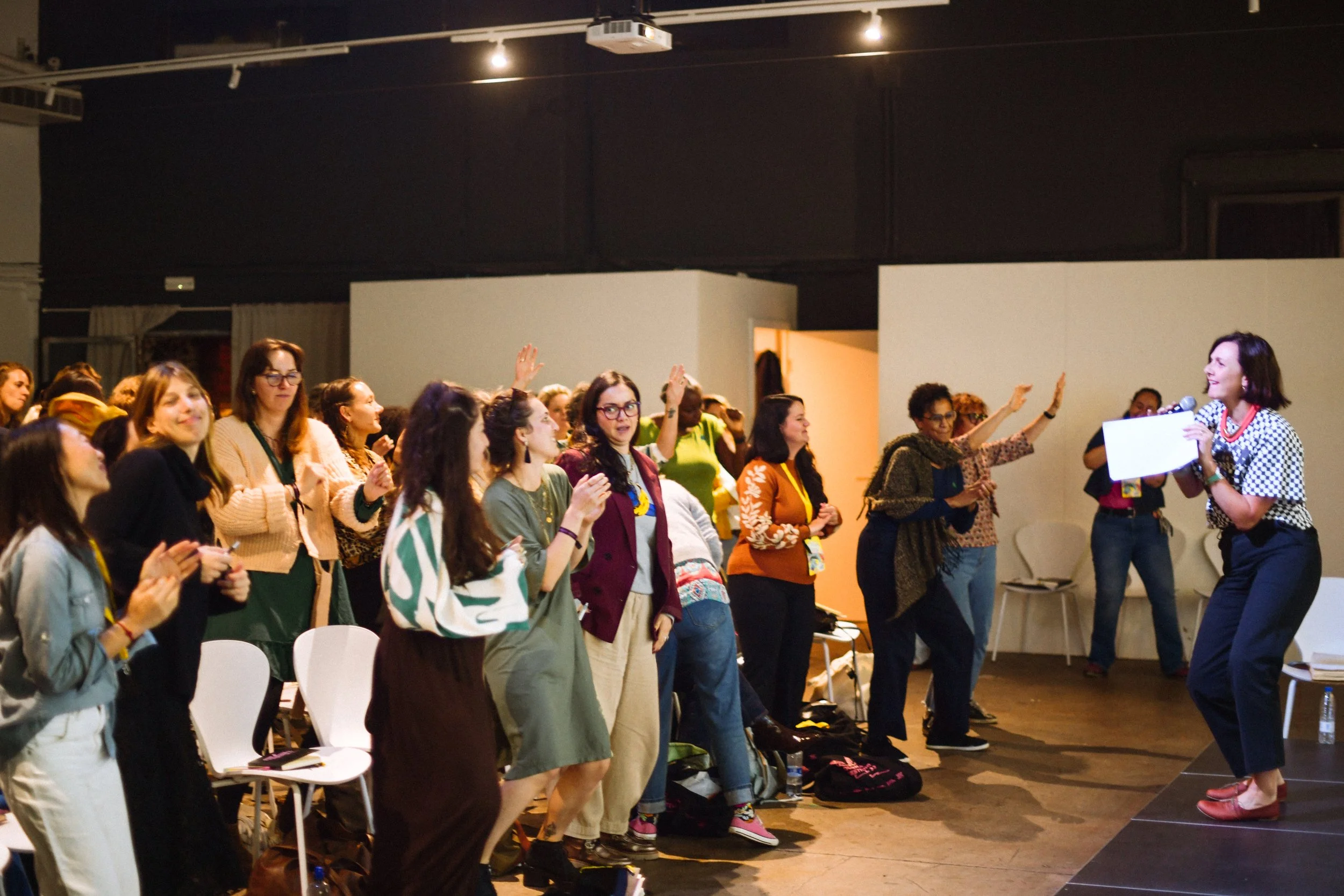
Mess, meaning and making: two stories from my heart
It was an honour, and a challenge, to take the final speaking slot. Everyone was gloriously exhausted after two days of writing, connecting and taking so much in.
I shared two stories that have shaped my year.
The first was about a bridge across the Zambezi in Zambia, built decades ago by Brother Crispin Valeri, a Capuchin friar, and a team of local labourers with no formal bridge-building training. Five years of work. Courage, creativity, determination and faith. The bridge still stands 49 years later.
His story became a companion in my own journaling and inspired “The Bridge”, a course I created for a private client this year and plan to make available as a download in 2027.
Brother Crispin died, at the age of 92, shortly before I travelled to Barcelona. I was so sad to hear this. His life and that bridge have been an extraordinary inspiration to me. His story reminds me of our capacity to move from grief to imagination, and to the long work of making something together that changes lives.
The second story was about my dear friend Thulani, da Soul Prince, whose artwork touched me deeply at Contra.Joburg this year.
Thulani is a beacon of creativity, courage and hope in our city. I’m so grateful our paths crossed. It was moving to see people in Barcelona respond to his art and ask about buying prints.
These stories are becoming part of my “Creativity and Courage” workshop, an extension of the Barcelona talk that I’d love to bring to towns and cities around South Africa over the coming months. It kicks off this Saturday with three workshops back to back at Motherland, Sturdee Avenue. There are only about 10 spots left for the 1–2pm workshop, so book on Quicket.
If you’d like to gather a group of 20–30, let’s chat and schedule something for 2027. We can also explore smaller, more intimate workshops. There are conversations brewing about Ballito in January, and I hope to have workshop gift vouchers on my website soon. A Christmas present to yourself, or someone you love, perhaps?
Barcelona is coming home with me
What inspired me (again) across these two days was how many ways there are into a journal. There is so much room to find a practice you can keep returning to.
I want to share more of what I experienced through online workshops and, where possible, introduce you directly to some of these practitioners through African Journal Club. I’ll keep you posted as plans take shape.
AND THEN THERE IS SOMETHING BIGGER.
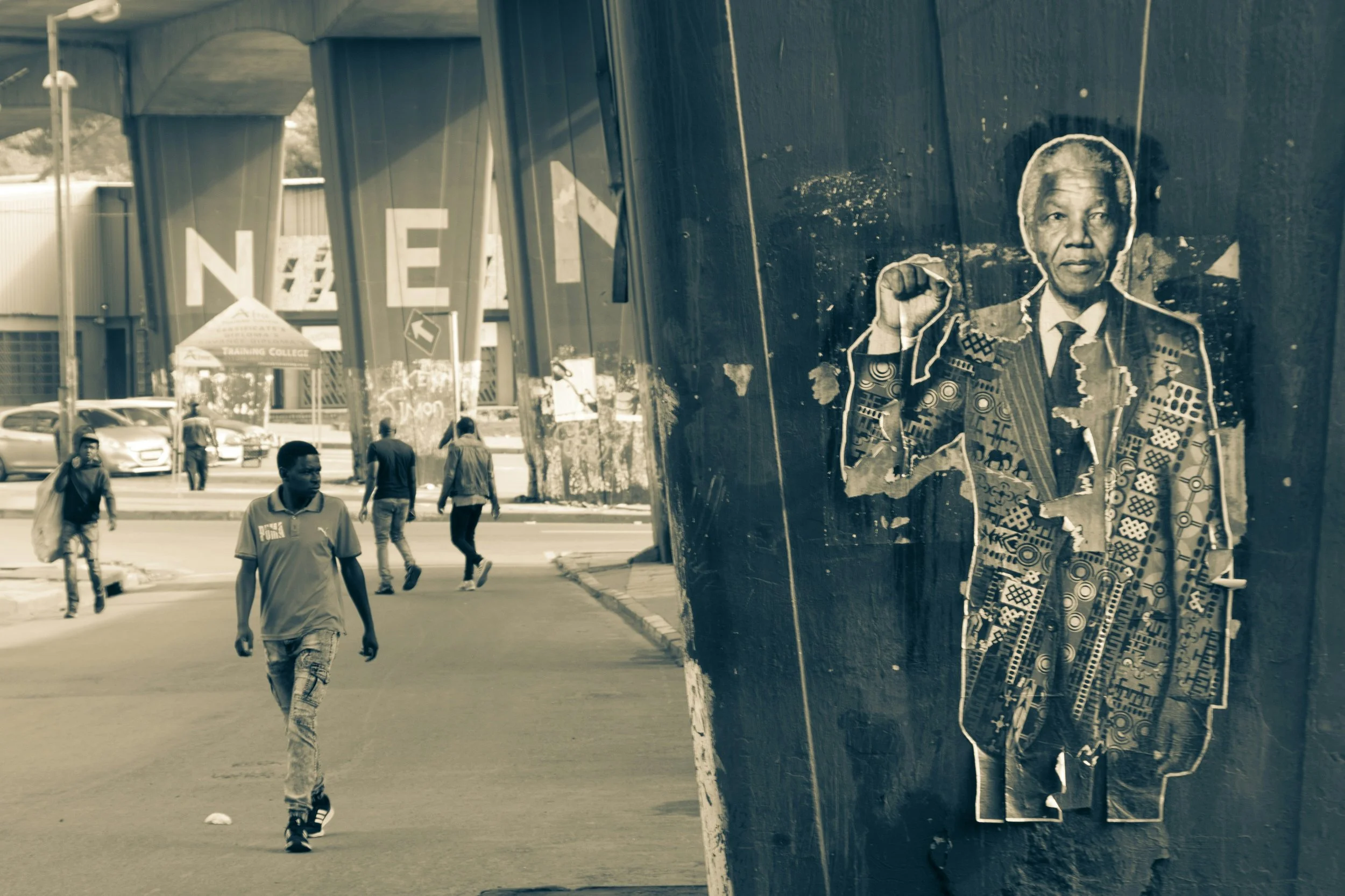
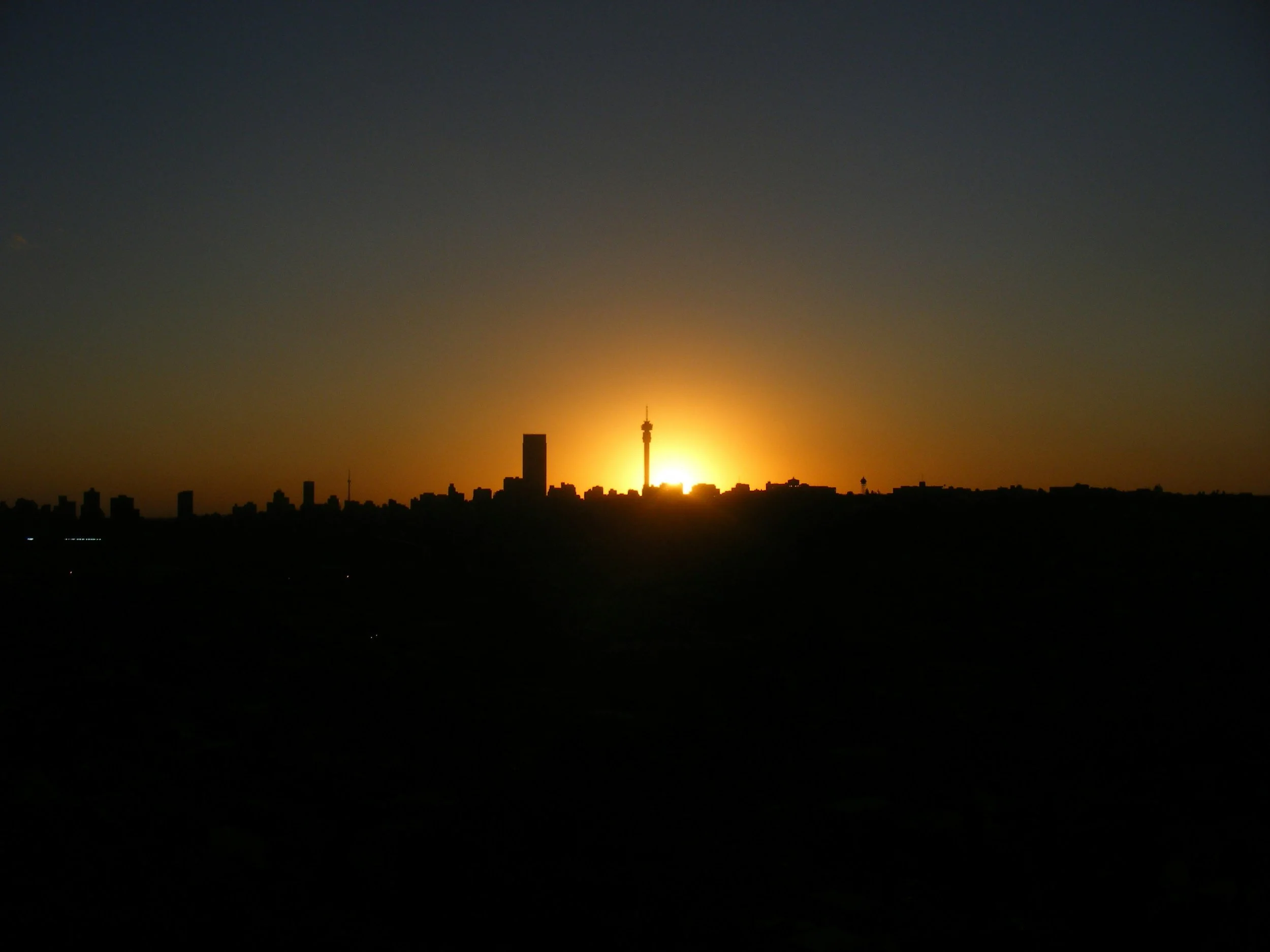
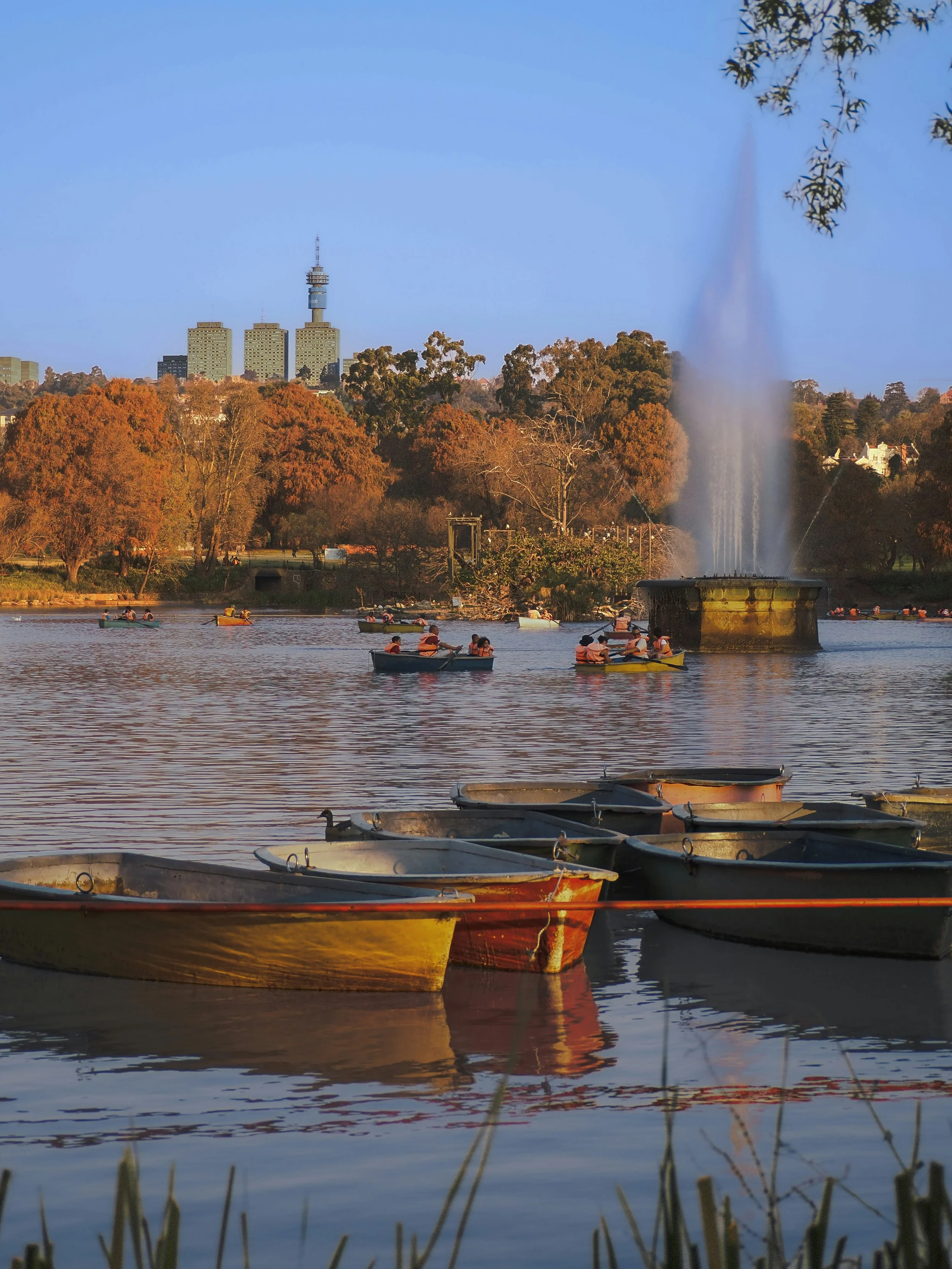
This beautiful community is spreading its wings. A New York festival is planned for 2027. And now, wait for it, a Johannesburg festival too!
The African Journaling Festival is coming to 44 Stanley on Saturday 8 and Sunday 9 May 2027! It’s two full days, so mark your calendars.
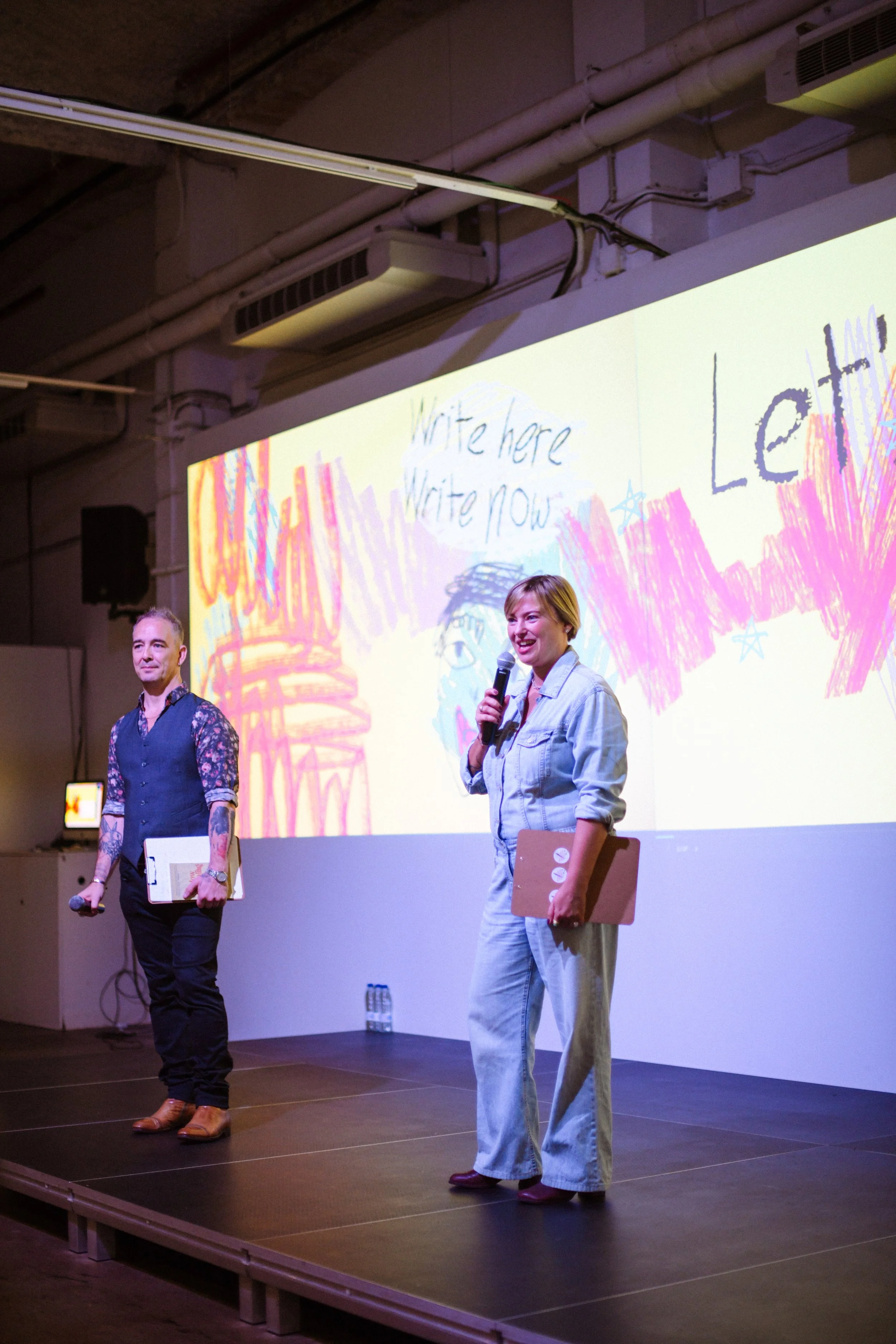
Mic drop. Then maybe even a little cry. This dream was born in my heart at the Barcelona festival last year. Now it’s happening in my neighbourhood. Our city. In Africa! I will be co-hosting with Barcelona Journaling Festival founders Marusha Mozolevskaya and Oliver Mann, and I am so grateful for the journey that has brought us here.
Courage spreads in a room. Come and be in that room with us.
Marusha and Oliver, thank you for creating something so alive, encouraging and full of beautiful people. The care with which you’ve built this means so much to every one of us who gets to enjoy it.
I’ve promised myself I’ll do my absolute best to return to Barcelona every year. It is worth going. There wasn’t a minute I wanted to miss.
Thank you, Barcelona Journaling Festival.
And finally, I’d love to invite you to pre-order your copy (or copies) for Christmas: the revised edition of Do The Heart Work, Volume 1, my locally produced 21-day guided journaling journey, with new photographs, fresh prompts and a beautiful facelift. Its pages carry photographs and stories from Johannesburg, Italy, Spain and Mauritius, among other places close to my heart. Support a local artist (me!) and give someone a little space to meet themselves on the page.
Thank you for every workshop, every online gathering, every place where we have met this year and done heart work together. I am forever grateful for you. You are why I do this work. Thank you, thank you, thank you.
With so much love,
Ant
Photo credits to Yanina Shevchenko for the festival pics.
